
Pedro Paulo Q. de C. Furlan | Issue 12, Fall 2026
CONTENT NOTE: This album review discusses Diaba by Urias with a focus on empowerment through the reclamation of symbols of evil in christianity. This review discusses religious homophobia and transphobia, as well as mentioning conversion therapy.
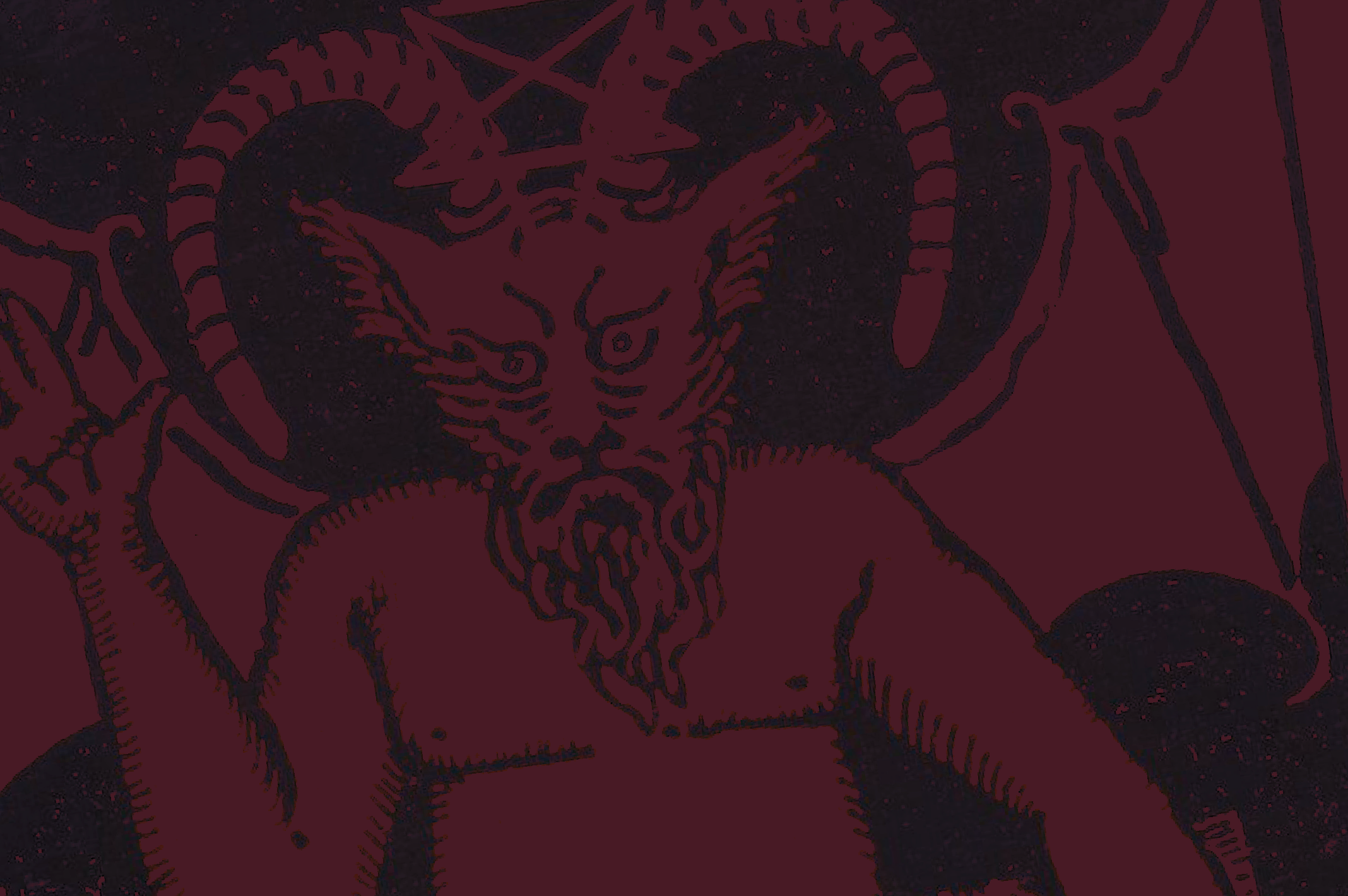
In horror movies, books, and songs, the devil appears to us as a metaphor for sin: but what if we, as Queer people, took that metaphor for ourselves?
Muito prazer, sou o oitavo pecado capital / Sempre fui vista por todos como o mal (Nice to meet you, I’m the eighth deadly sin / I’ve always been seen as evil). These are the opening lines of “Diaba,” the debut single by Brazilian Trans singer-songwriter, Urias, and one of the most important songs of my life as a Queer person. Using profanity as a metaphor for Queerness in opposition to the idea of sainthood in Christianity isn’t exactly new, but Urias’ song was one of the first times it hit me and stayed. Here, she embodies a she-devil persona, both championing her female identity and playing with the notions of Queerness as sin. As a Non-Binary person who comes from a strict Christian childhood, this resonates with me in a way few other metaphors have.
The track is rebellious, powerful, and full of horror. In the music video, Urias commands crowds to commit acts of violence, controlling the world around her. The camera pans to her “Bad Born” tattoo- and the vision of evil as admirable was deeply refreshing. The truth of the matter is, Christianity is a very strong religion in Brazil. My identity got caught in the crossfire multiple times growing up, so the idea that we could see ourselves in these devilish figures and find power in that was eye-opening.
My favorite horror genre has always been spiritual horror. I love The Exorcist, The Conjuring series, and Poltergeist; all these pictures that portray evil spirits, demons, and devils have always fascinated me. After feeling othered as a Queer person, drawing the line from the demons to Queerness wasn’t hard at all. When you grow up going to church many times a week, face conversion therapy, and sit with family-wide conflicts around identity, it’s impossible not to question if you really are a demon. Demons and devils are monsters created by Christianity. How Christianity views demons and how it views Queerness is a clear-cut parallel. That’s why songs created by Queer people with that dichotomy in mind, like “Diaba,” make me feel extremely powerful.
Now, almost seven years after the release of “Diaba,” and almost a decade since I’ve stepped foot in a church, the song—and its metaphor—still brings out extreme emotions. The first tattoo I ever got was inspired by “Diaba:” a red crown with black devil horns. It serves as a clear homage to the devil queen and the power this song has given me.
Pedro Paulo Q. de C. Furlan
Pedro Paulo Q. de C. Furlan (they/them) is a journalist and writer based in São Paulo, Brazil. Working in the Queer underground scene, their work is completely foccused on music and how it echoes within different groups of people. Pedro also works as a PR specialist, having their own agency, Red Assessoria.
Leave a Reply